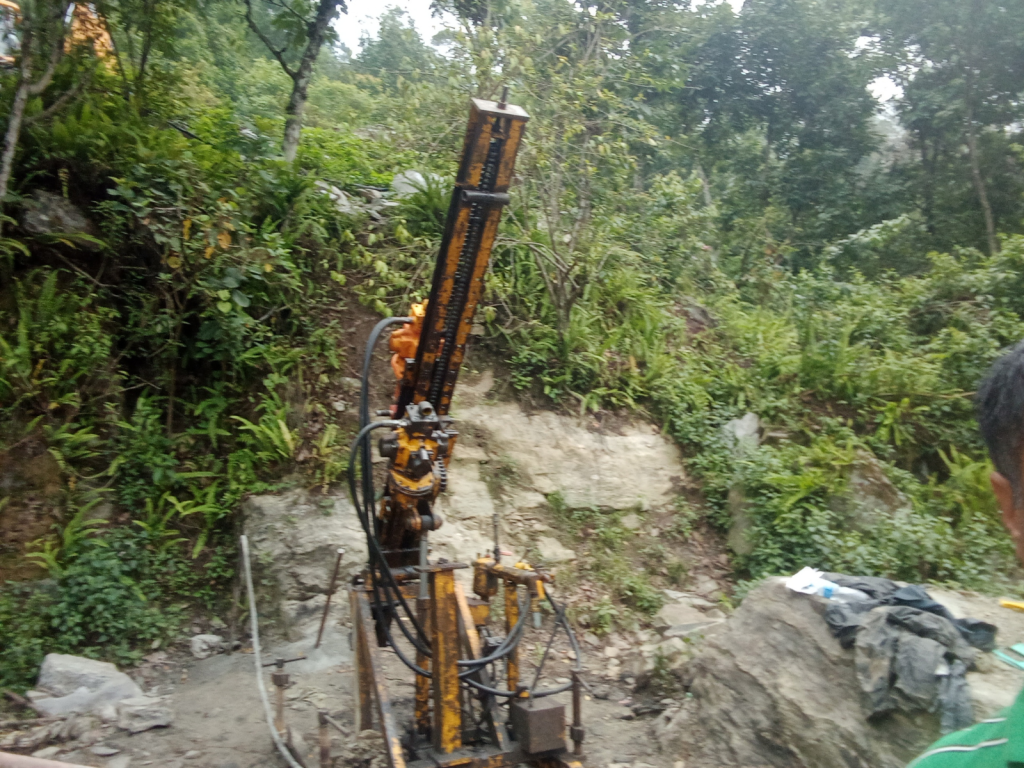
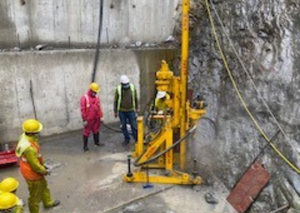
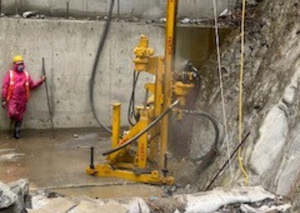
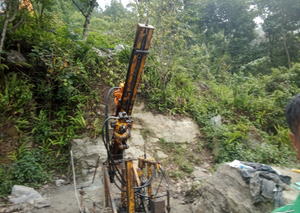
Micropiles, also known as mini piles, are small-diameter (typically 6 to 12 inches), high-strength foundation elements made of steel casing or threaded bars encased in grout. They are suitable for stabilizing structures in areas with limited access or low headroom and are commonly used for upgrades with minimal disruption to ongoing operations.
Their installation involves drilling, a process where a rotating drill bit cuts circular holes into solid materials. The drill bit, often multi-point, spins at high speeds and is pressed against the surface to create precise holes for micropile placement.
TYPES OF MICRO PILING WORKS
TYPE A MICRO PILES
Type A micropiles use tremie grouting and through gravity head. The grouting is started from the bottom and follows a similar tremie grouting procedure followed in conventional piles.
TYPE C MICRO PILES
In these types of piles, pressure grouting is followed by tremie grouting. On completion of pressure grouting, a global injection grouting is performed through a pre-installed sleeve port pipe. This grouting shall be done before the hardening of primary tremie grout.
TYPE B MICRO PILES
After performing the initial tremie grouting, a pressure grouting is followed simultaneously with the lifting of the casing from the bond zone. The second stage pressure grouting is done through a preinstalled tube. Second stage grouting serves in enhancing grout soil bonding.
TYPE D MICRO PILES
This method is similar to Type C . In this method primary grout is done under pressure and after hardening secondary grout is done through installed sleeve ports. Packers are also provided for multiple injections.
Whether you have a project in mind and you’re looking for a reliable construction partner or you’re looking to take the next step in your career, we want to hear from you!