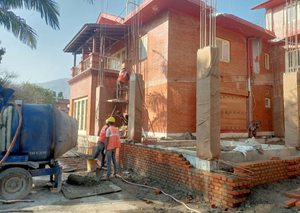
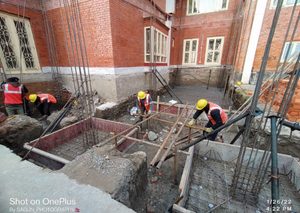
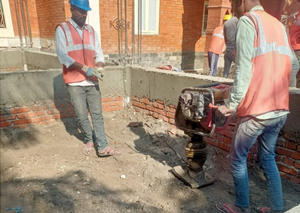
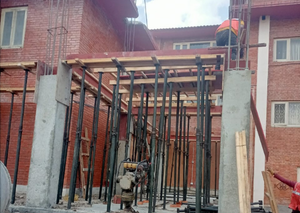
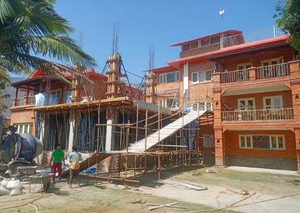
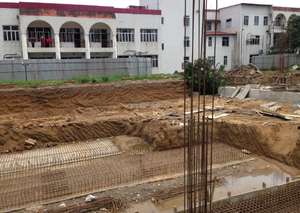
Building construction involves creating or modifying structures on a property. While many projects are small—like bathroom remodels or room additions—they still require attention to design, budgeting, and legal aspects. Often, property owners take on multiple roles themselves, from planning to execution. However, without proper planning and oversight, even small projects can face issues such as structural failures, budget overruns, or legal disputes.
CATEGORIES OF BUILDING CONSTRUTION
Durable And Resistant
Residential construction may be undertaken by individual land-owners (self-build), by specialist house-builders, by property developers, by general contractors, or by providers of public or social housing (eg: local authorities, housing associations).
Infrastructure Construction
Civil engineering covers the design, construction, and maintenance of the physical and naturally built environment, including public works such as roads, bridges, canals, dams, tunnels, airports, water and sewerage systems, pipelines, and railways.
Non-Residential Construction
Depending upon the type of building, non-residential building construction can be procured by a wide range of private and public organizations, including local authorities, educational and religious bodies, transport undertakings, retailers, hoteliers, property developers, financial institutions, and other private companies. Most construction in these sectors is undertaken by general contractors.
Whether you have a project in mind and you’re looking for a reliable construction partner or you’re looking to take the next step in your career, we want to hear from you!